How to Get Fit (and Stay Fit) for Gorilla Trekking
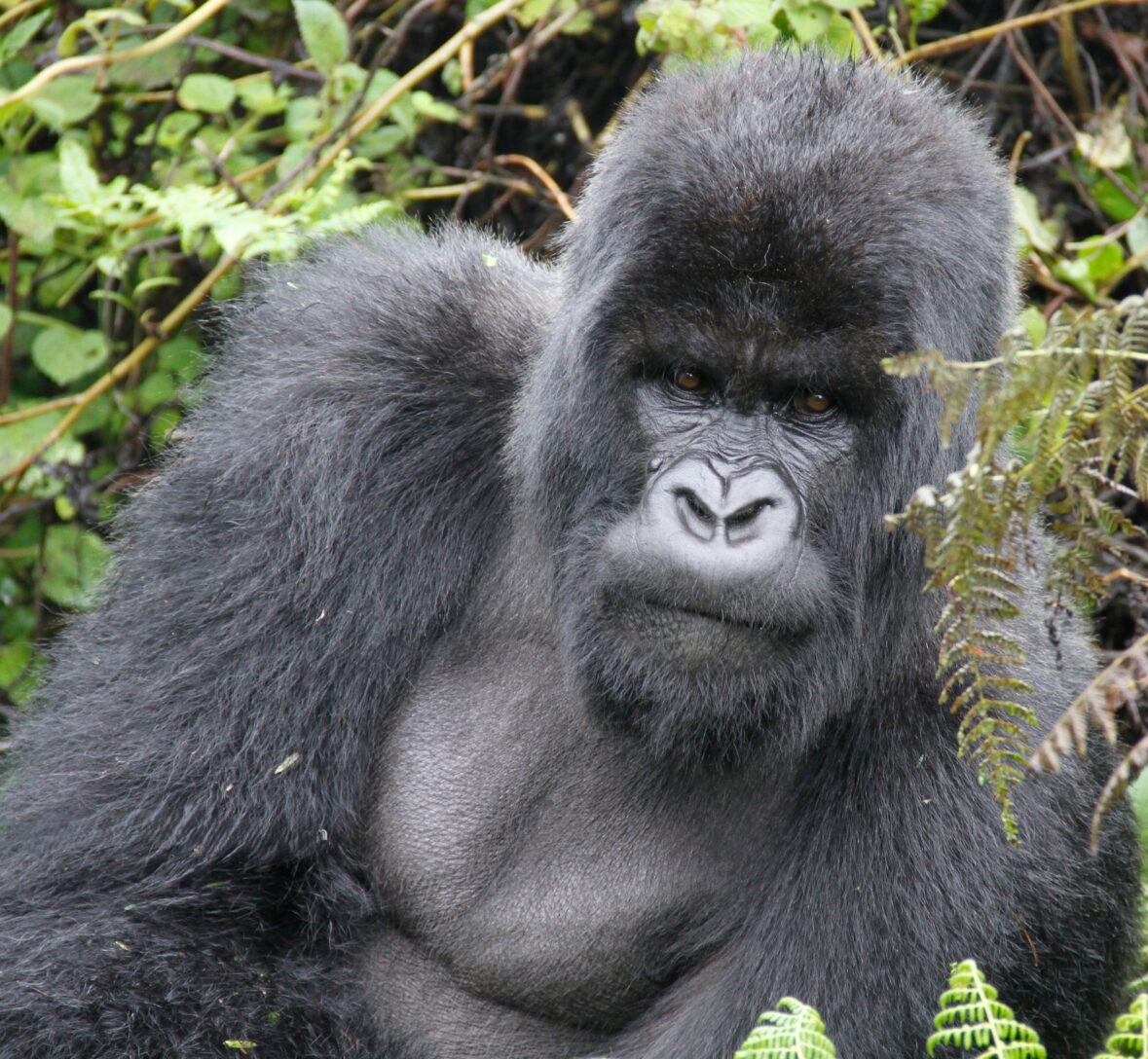
Silverback Gorilla, Parc National des Volcans, Rwanda. Courtesy of our travelers Dan & Marnie McVaugh

Silverback Gorilla, Parc National des Volcans, Rwanda. Courtesy of our travelers Dan & Marnie McVaugh
A mountain gorilla trek is an exhilarating adventure through some of Africa’s most beautiful terrain. Because it is an active experience that involves hiking at higher elevations and across varied landscapes, it is wise to consider your physical fitness. If you live above 4,000 feet (1,200 meters) and regularly enjoy activities such as hiking, biking, jogging, or skiing, a gorilla trek should not pose major difficulties. However, if you live closer to sea level or have not been exercising regularly, it is a good idea to begin a fitness routine as soon as possible before your trek.
Fortunately, two fitness trainers designed a fitness routine for us that specifically addresses the challenges they experienced on their own visit to a gorilla family in the Virunga Mountains. What makes our program especially useful is that it progresses from sedentary to fully fit. You can adapt it to your own current fitness level. Start at the beginning if you have not been active or begin at the point that best matches your current abilities. Either way, following this step-by-step guide will help you feel prepared and confident for the adventure ahead.
You can download the complete program below. Here are the highlights:
Start training as early as possible. Gorillas change locations almost every day. They may be near the trailhead after an easy stroll, or they could be deep in the jungle beyond steep hills and tangled vines. Prepare for the most challenging conditions so you can fully enjoy the experience.
Get a physical checkup. If you have any medical conditions that could be aggravated by stress or strenuous exercise, it is best to find out beforehand and address them with your doctor rather than risk needing assistance on the trail.
Build strength. Gorillas must be extraordinarily strong to survive in this environment, and the trek may test your strength and endurance, too.
Build aerobic endurance. You may be climbing steep hills at high elevations, and without proper training, you could be forced to turn back. Mountain gorilla habitat ranges from 4,000 to 13,000 feet above sea level.
Practice persistence over perfection. If you cannot follow an exercise program exactly, do not give up. The most important thing is to keep moving. The complete program is designed to get you to peak performance, but even getting halfway through will likely help you get the most from your journey. Most importantly, choose the activities that you enjoy while blending in a variety of movements.
Choose a trek that works for you. Not all gorilla treks are overly difficult. Some are relatively easy, while others are more challenging. Everyone in the gorilla conservation community is dedicated to making this remarkable experience available to as many people as possible. Accordingly, we make every effort to match specific treks to individual needs and abilities. Gorillas live in family groups, and some families are calmer, closer to the trailhead, and found in more forgiving terrain. These more accessible groups can often be matched with travelers who are not comfortable with longer, steeper hikes. Other groups live farther afield, are wilder, and may inhabit rougher terrain, making them better suited to more adventurous travelers. So, while it is helpful to be reasonably fit, the gorilla trekking experience offers a wide range of accessibility.
Download the Program Gorilla Trek fitness preparation
Demonstrations of the key strength exercises (no gym required) are below:
Many thanks to Carla Silva and Lisa Valencia, who shared their knowledge and experience by designing our gorilla trekking fitness program.