fbpx

Maasai Wilderness Conservation Trust

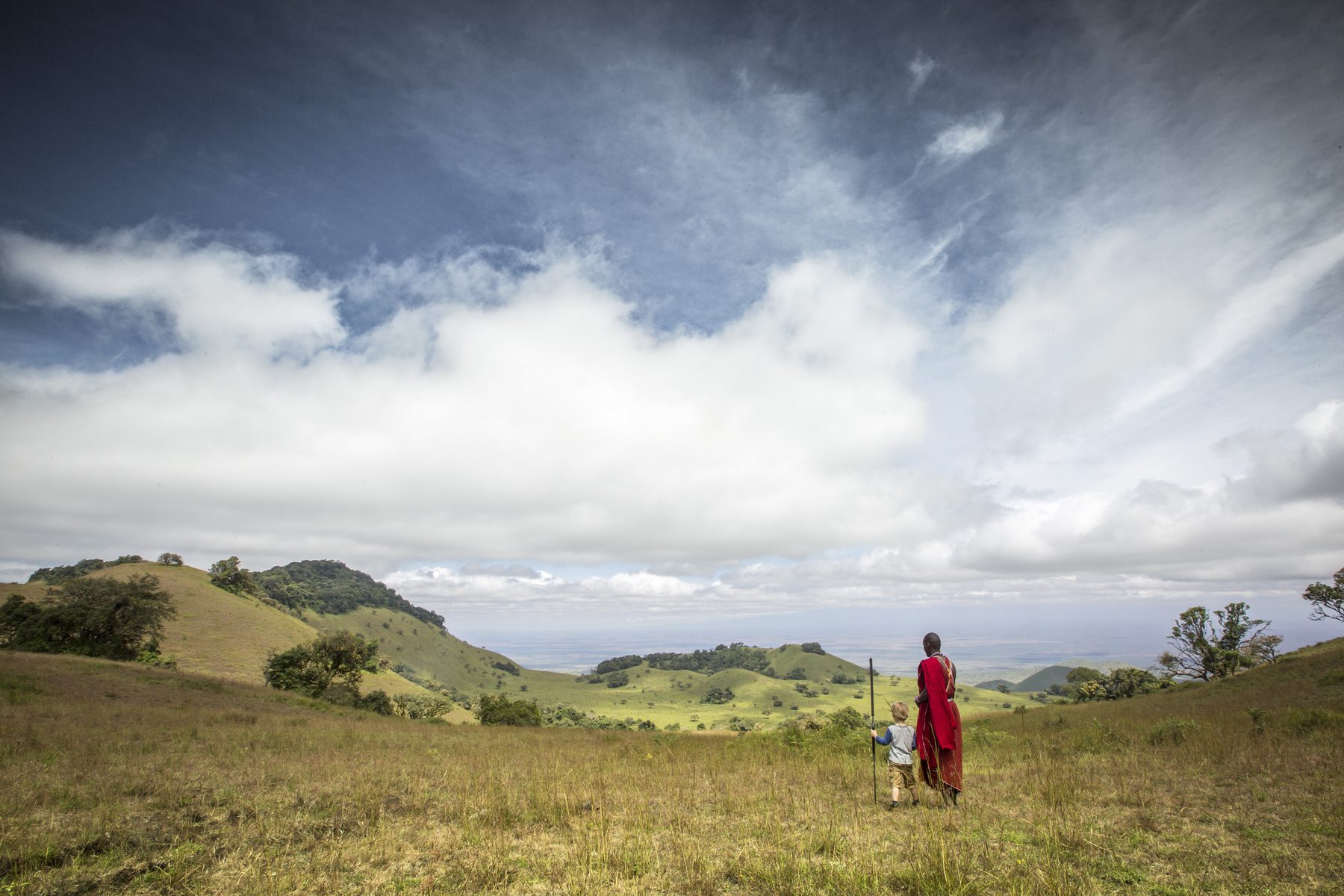
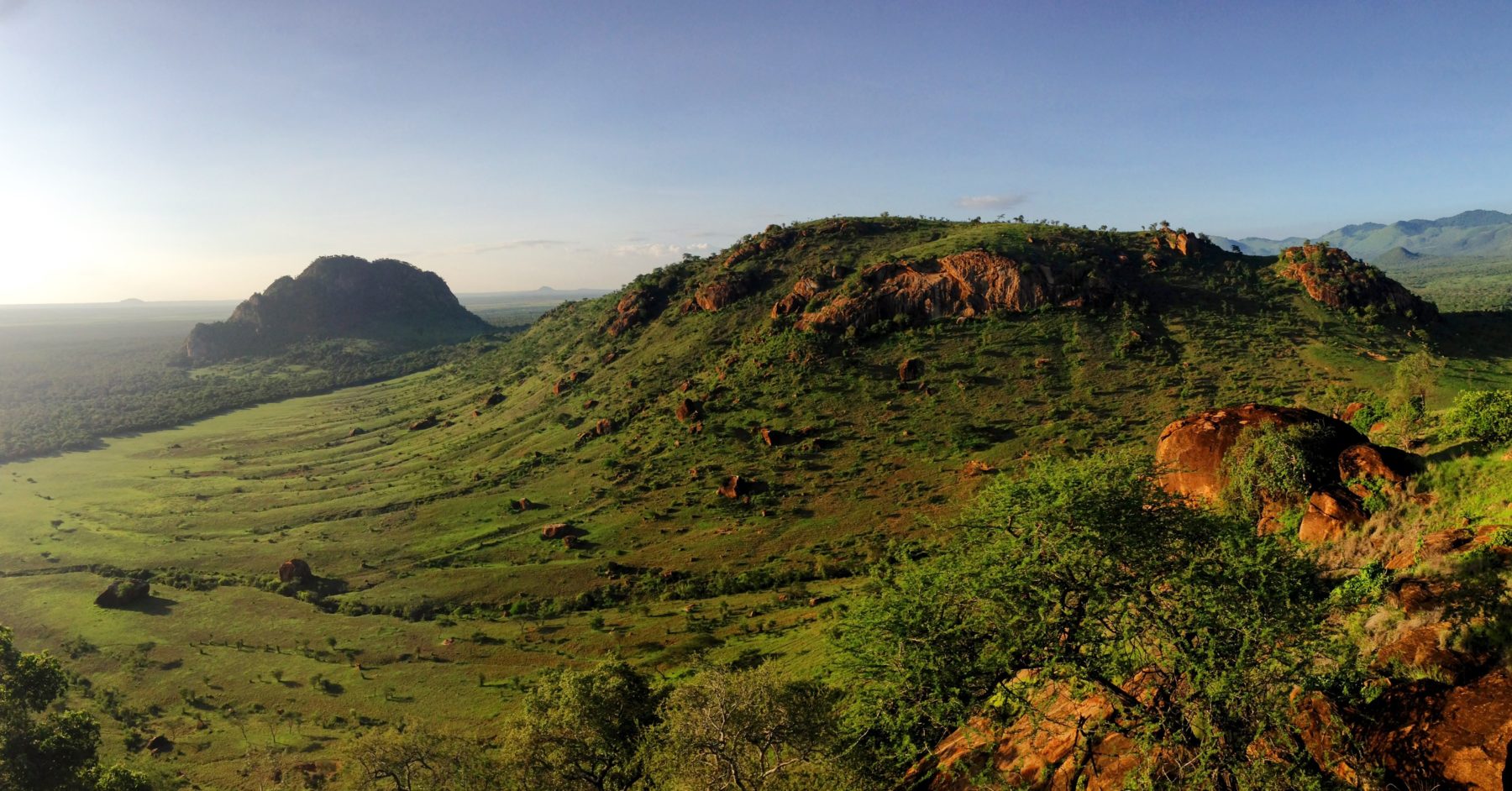
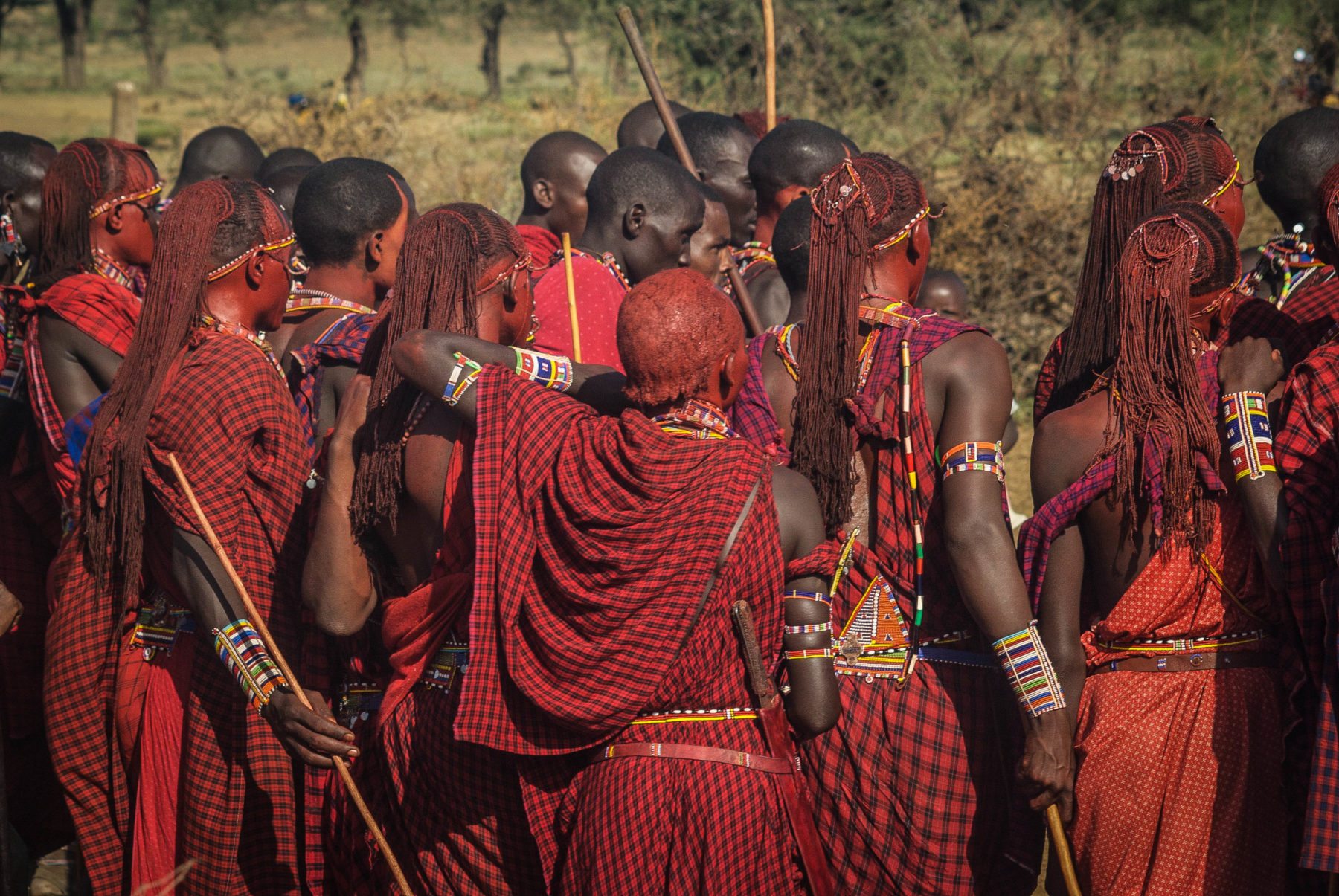
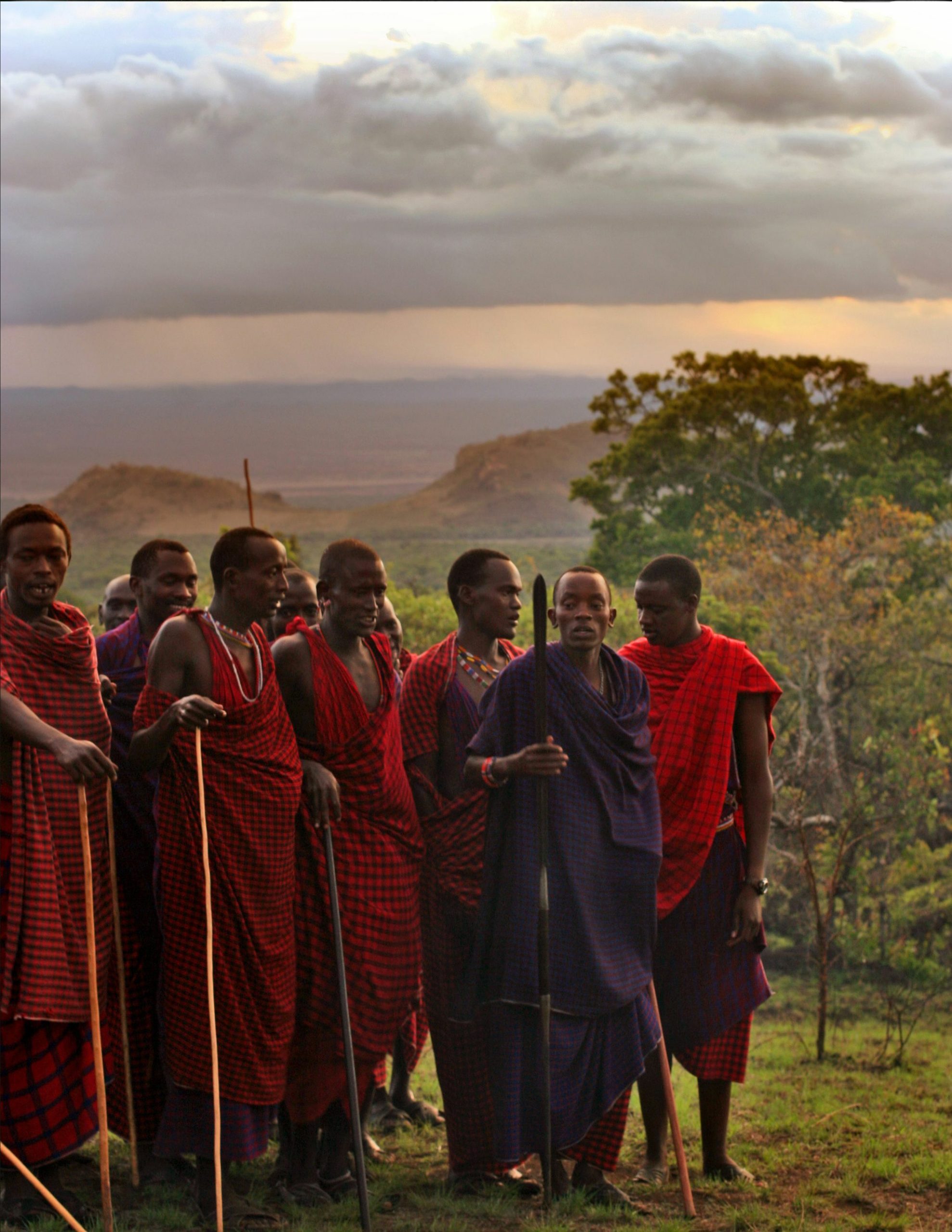
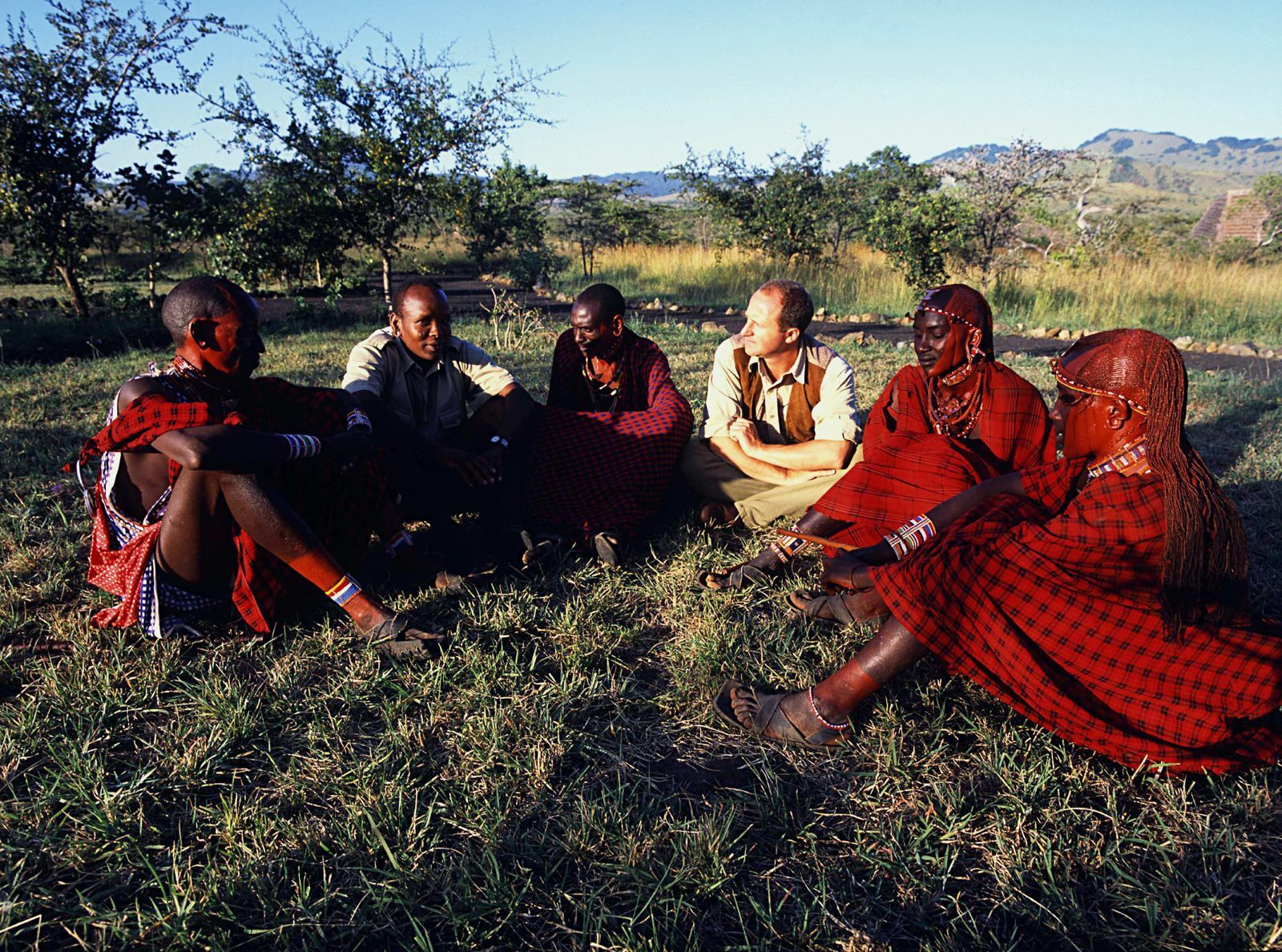
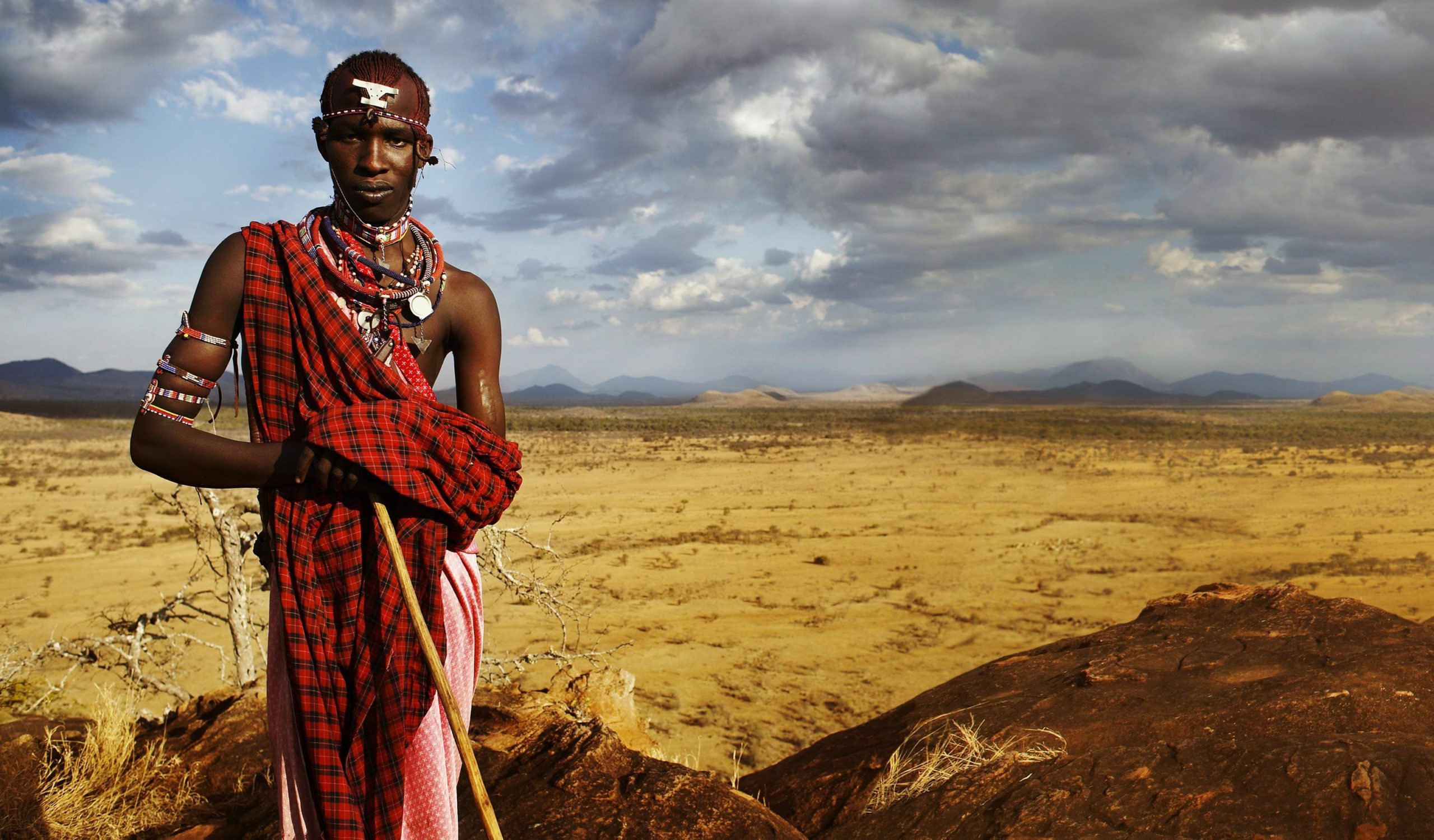
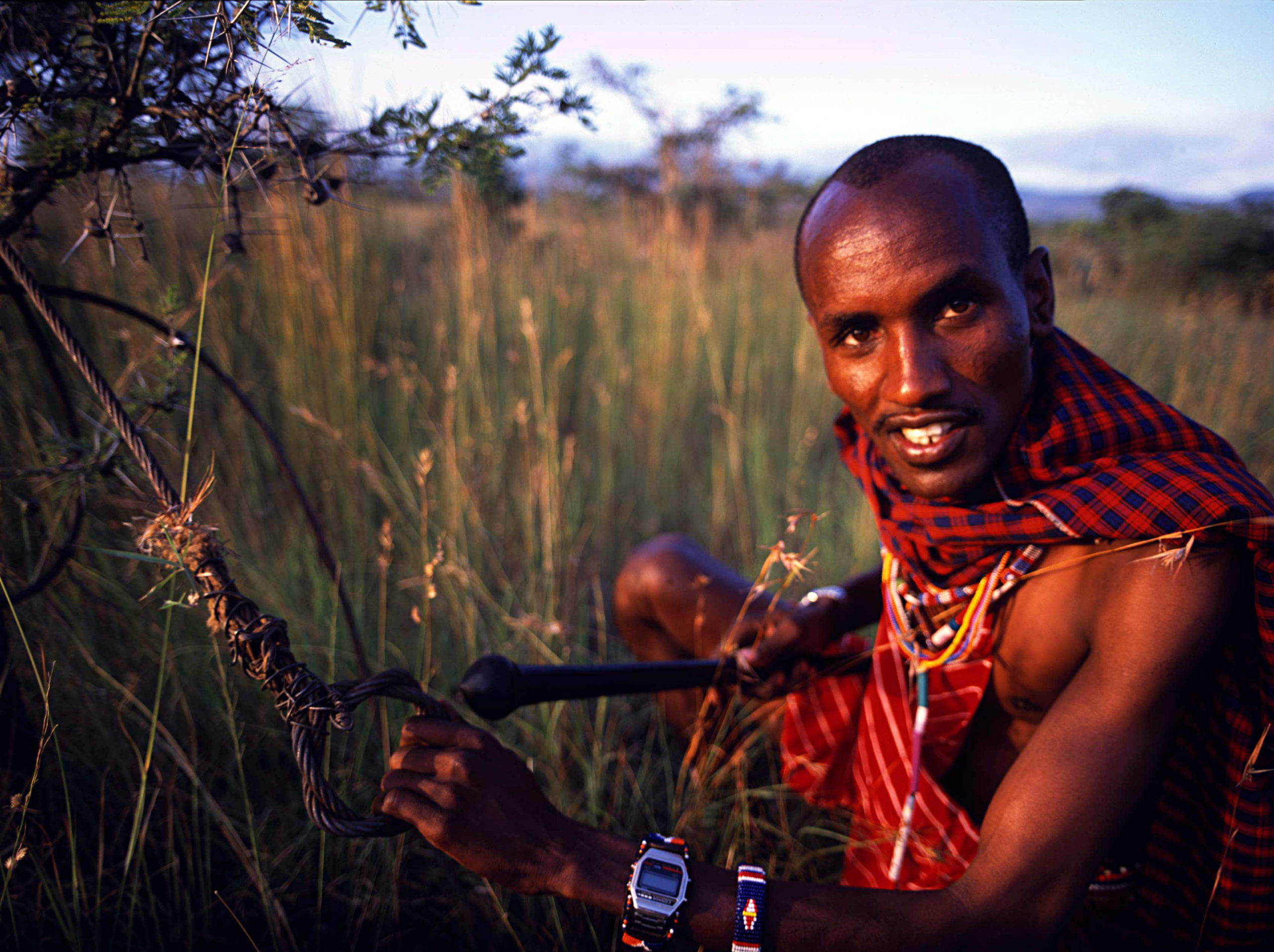
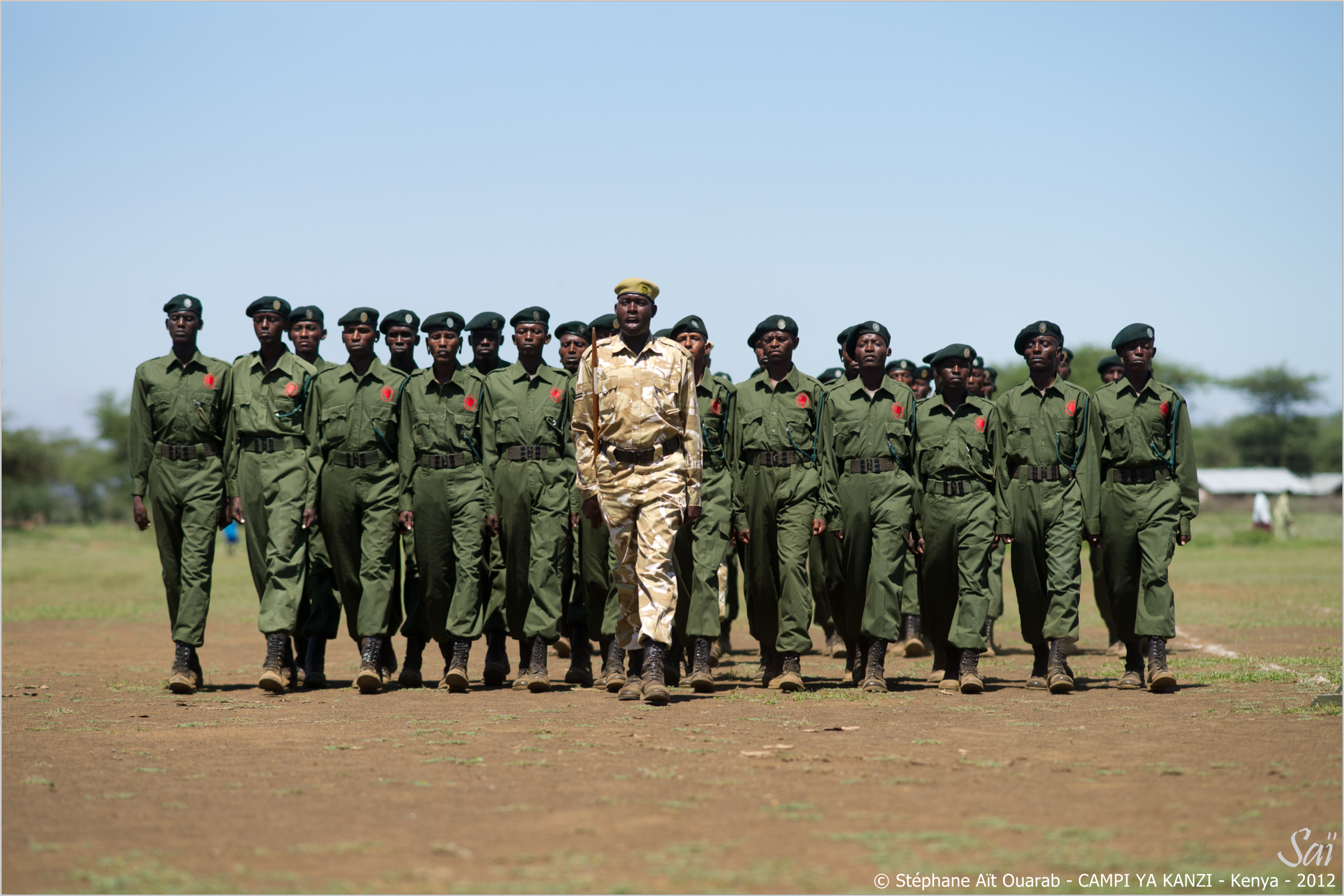
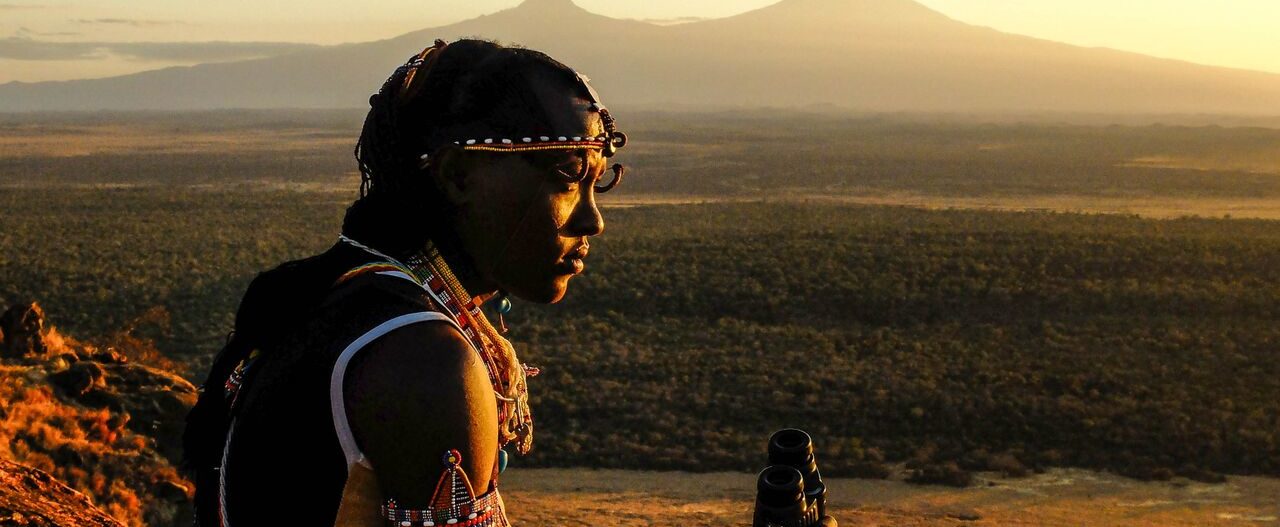
The Trust operates and funds a range of programs aimed at protecting wilderness and wildlife while partnering with the local Maasai community in the Chyulu Hills and gaining their active participation as stewards of nature. With dollars generated through ecotourism, the Trust builds schools and medical clinics, invests in women’s groups, and supports local business initiatives. As a strong promoter of wildlife conservation, the Trust supports wildlife protection with lion monitoring and tracking led by a group of young Maasai warriors, employing over 100 anti-poaching rangers, and a predator protection initiative that compensates local people when their livestock is killed by predators, reducing the motivation to kill big cats.

Deeper Africa travelers visiting Kenya directly support this work. Every safari we operate in the Chyulu Hills region contributes to the rangers, the schools, and the lion conservation programs on the ground — because the experience of seeing lions in the wild is inseparable from the effort to ensure they are still there for future generations.

Talk to us about our Kenya safaris and how your journey can travel with purpose.

More Information

This short documentary introduces the work of the Maasai Wilderness Conservation Trust in Kenya’s Chyulu Hills. It covers lion tracking by Maasai warriors, anti-poaching operations run by over 100 rangers, community schools and medical clinics funded by ecotourism, and the predator protection program that compensates Maasai families when livestock is lost to big cats, reducing the motivation to kill lions in retaliation.
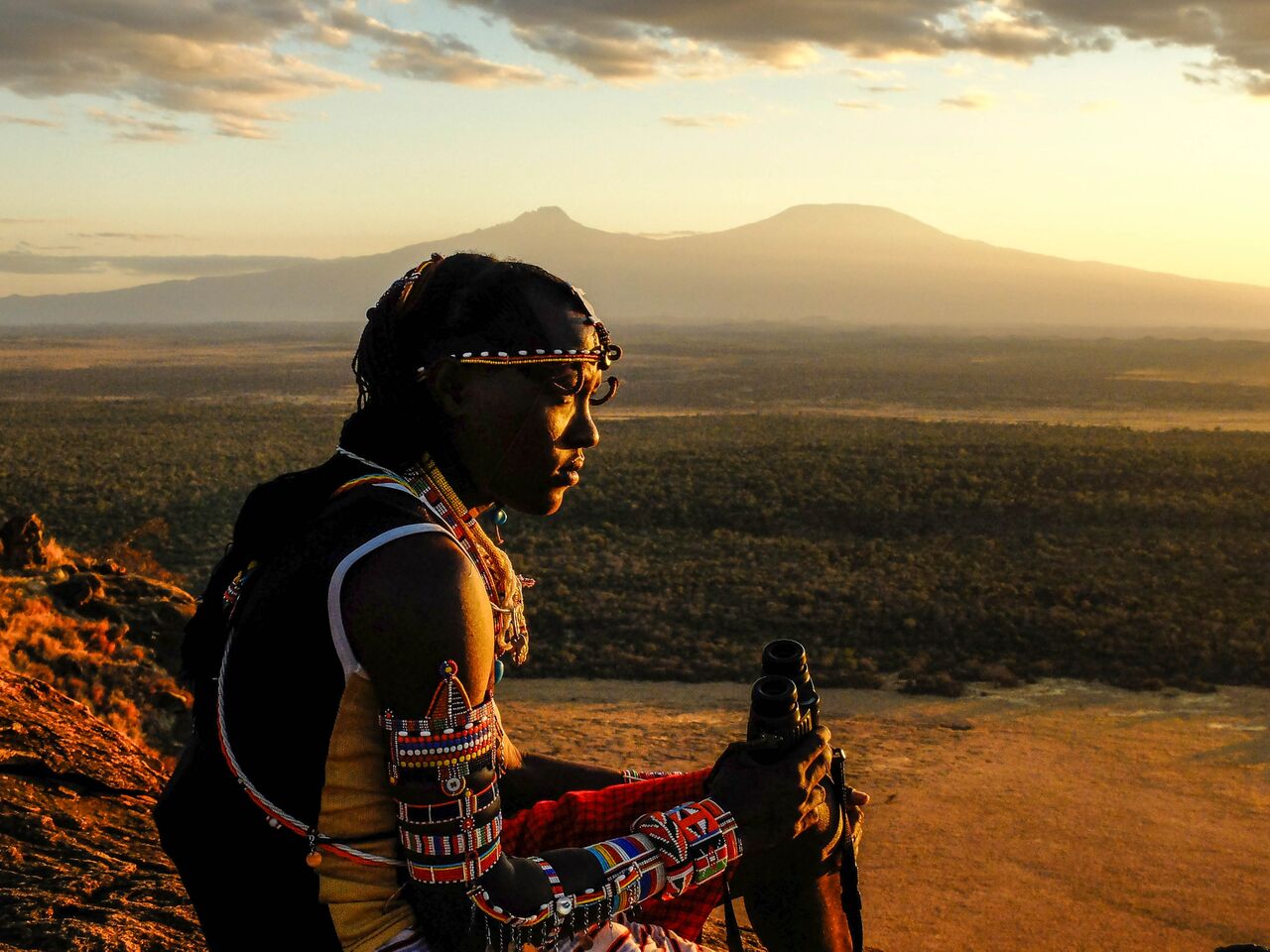
Lion Conservation & Wildlife Monitoring

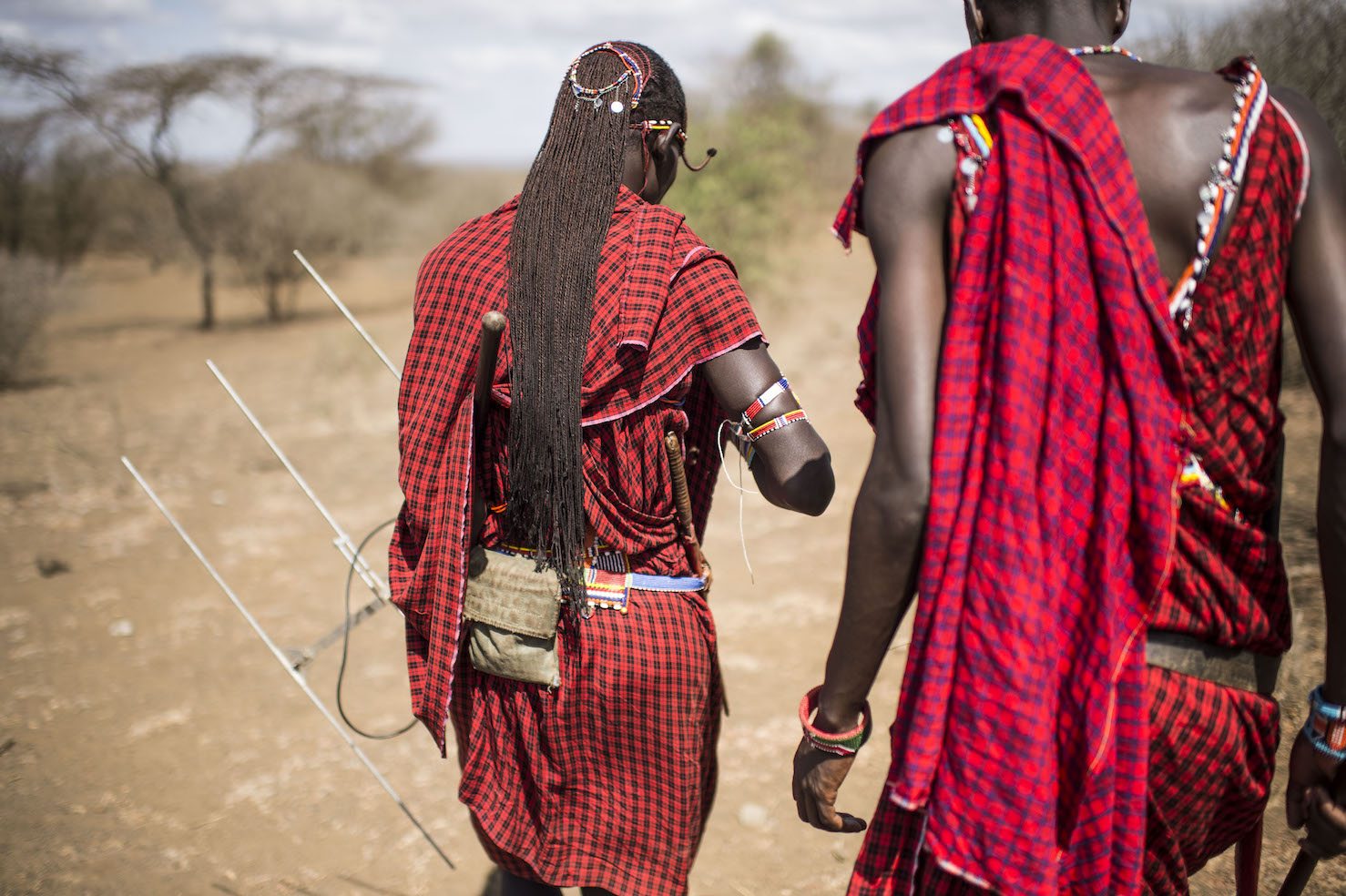
The MWCT’s lion monitoring program is led by young Maasai warriors, men who grew up in the same landscape as the lions they now protect. Using both traditional tracking knowledge and modern GPS technology, these warriors map lion movements, territory, and population health across the Chyulu Hills. This matters beyond the hills themselves: the Chyulu Hills form one of the last intact wildlife corridors between Amboseli and Tsavo, meaning protecting lions here protects the wider landscape.

Anti-Poaching & Predator Protection

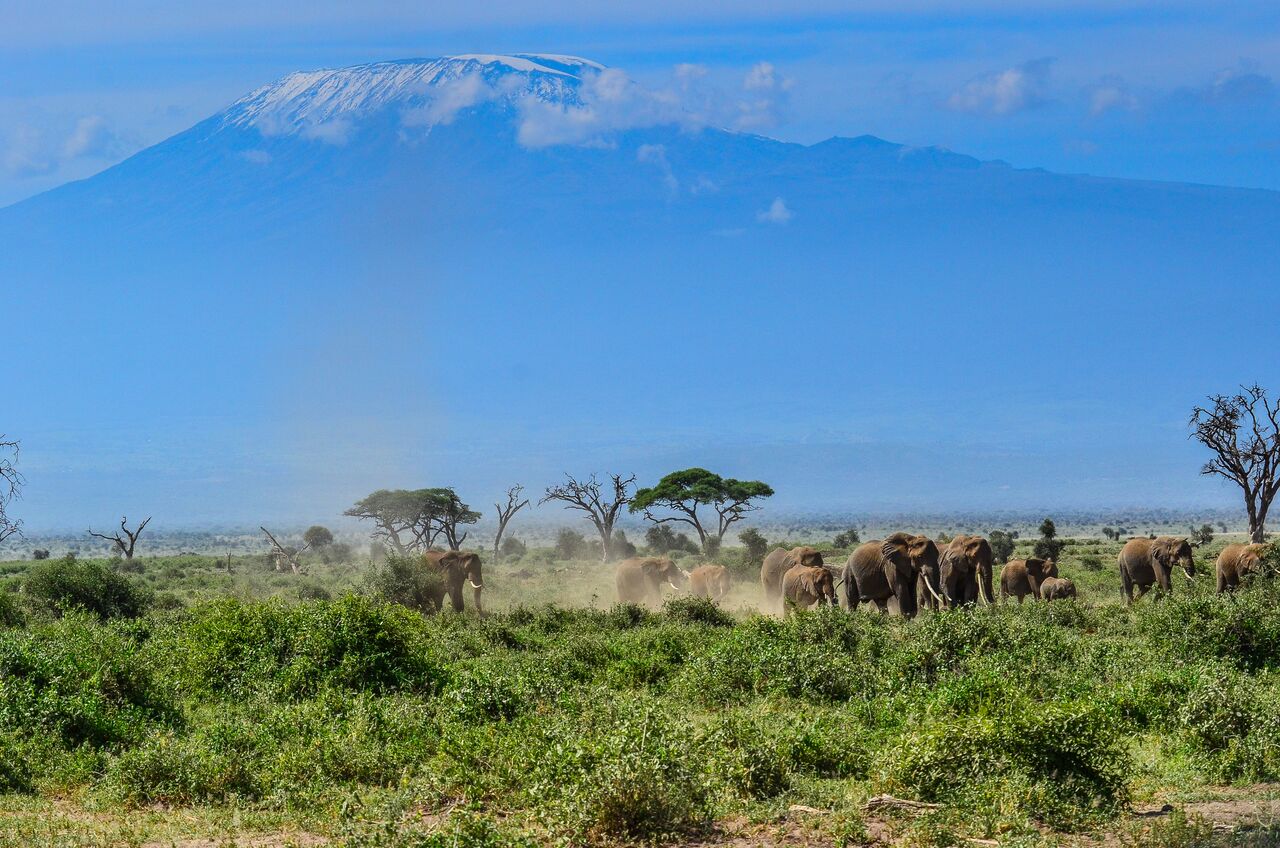
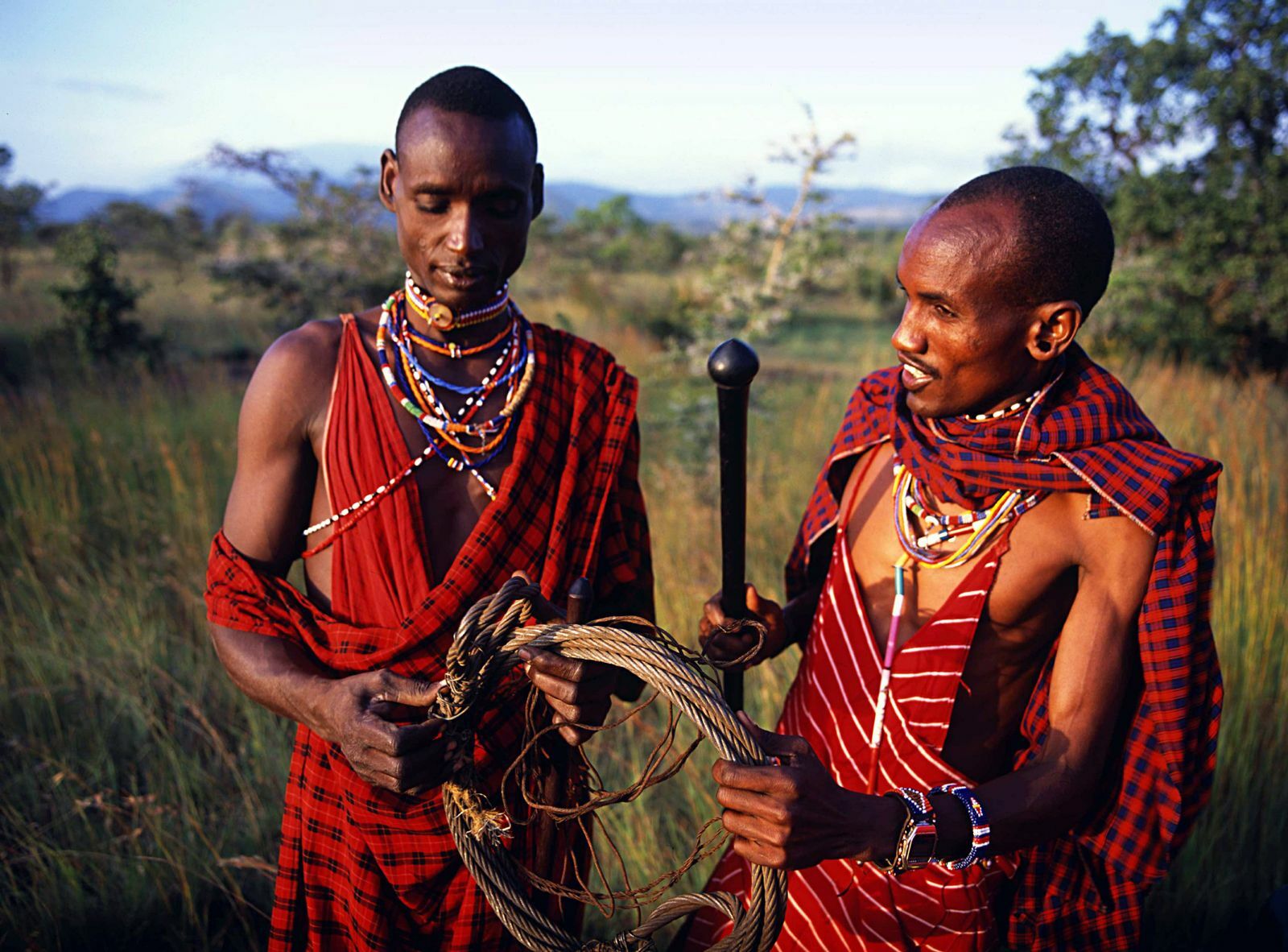
The MWCT employs over 100 anti-poaching rangers across the Chyulu Hills. One of the largest community ranger forces in Kenya. Monitoring elephants, lions, and other species across a corridor connecting two of the country’s most significant national parks. Alongside this, the predator protection program compensates Maasai families when livestock is killed by big cats, removing the financial incentive for retaliation and making coexistence with predators genuinely viable.

Community Development

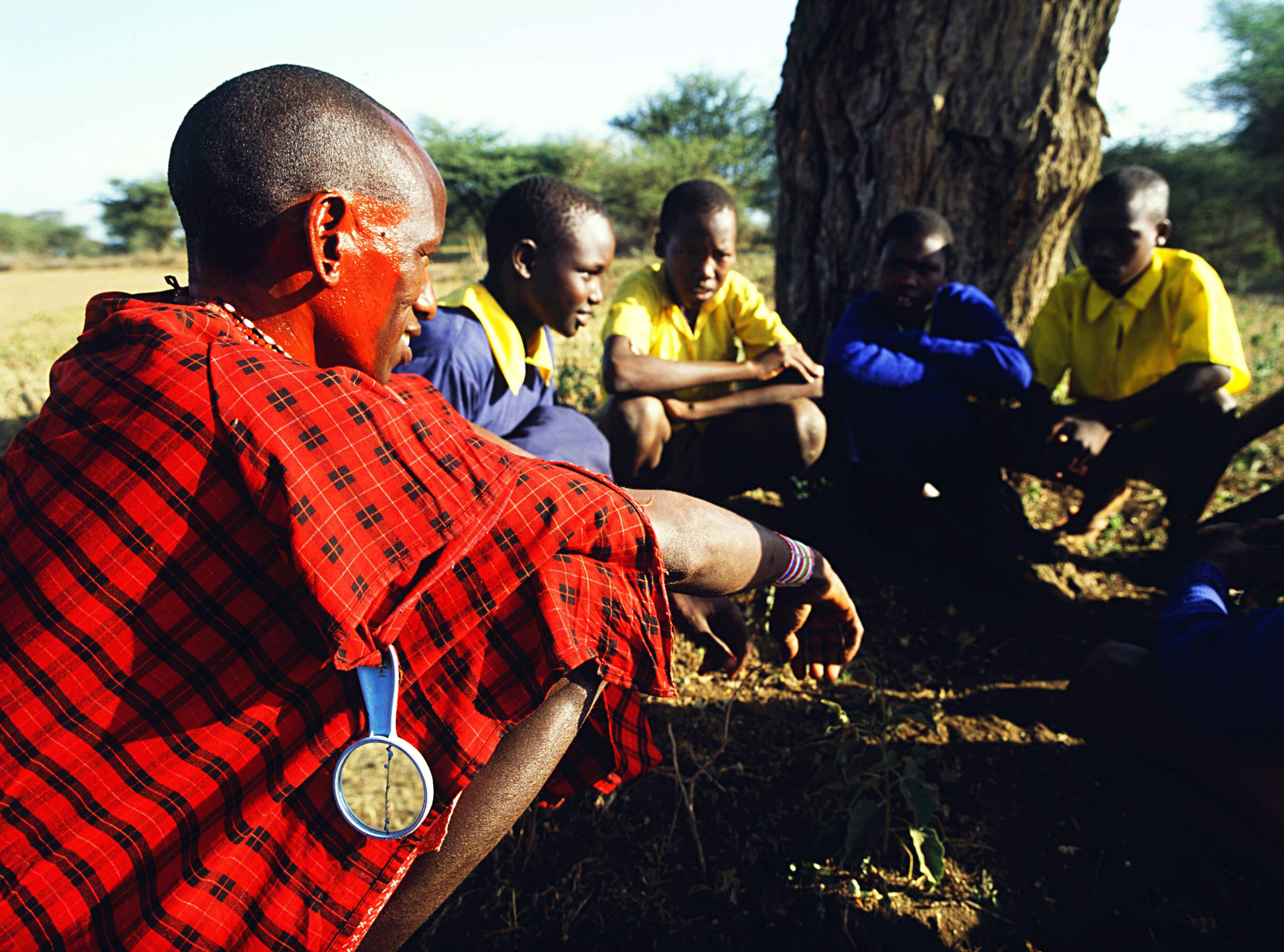
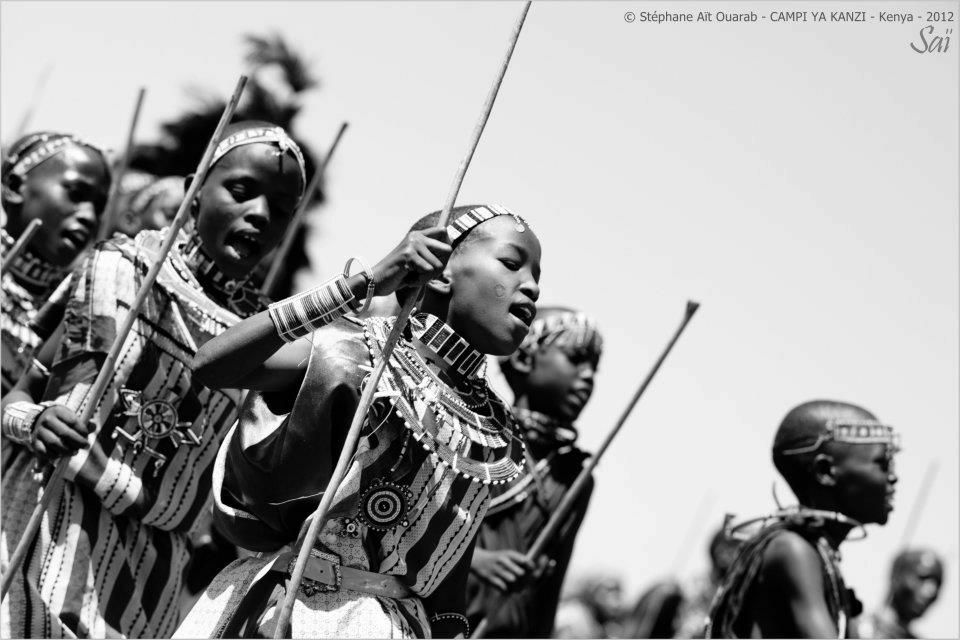
But rangers alone cannot sustain conservation. The MWCT uses ecotourism revenues to fund schools and medical clinics, invest in women’s groups and local businesses, and create employment for Maasai men and women as rangers, guides, and conservation staff. When communities benefit directly from wildlife’s survival, they become its most committed protectors. The Maasai of the Chyulu Hills are not bystanders to this work, they are its backbone.

How Your Deeper Africa Safari Contributes

This is where travel becomes tangible. When you book a Deeper Africa Kenya safari, your trip directly funds lion conservation, anti-poaching rangers, and community schools through our partnership with the MWCT. Our Kenya & Tanzania Safari travels through the Chyulu Hills, the heart of this work. Every traveler who books with Deeper Africa helps keep rangers in the field, compensates families living alongside predators, and builds the schools that give the next generation of Maasai a reason to protect the wilderness they grew up in.

Visit Website Donate

Maasai Wilderness Conservation Trust