More Information
This short film tells the story of the Zambezi Elephant Fund and the fight to protect elephants in Zimbabwe’s Zambezi Valley. It covers the scale of the poaching crisis, the rangers working on the ground, and how ecotourism and donor support are funding the effort to reverse decades of population decline.
The Elephant Poaching Crisis in Zimbabwe
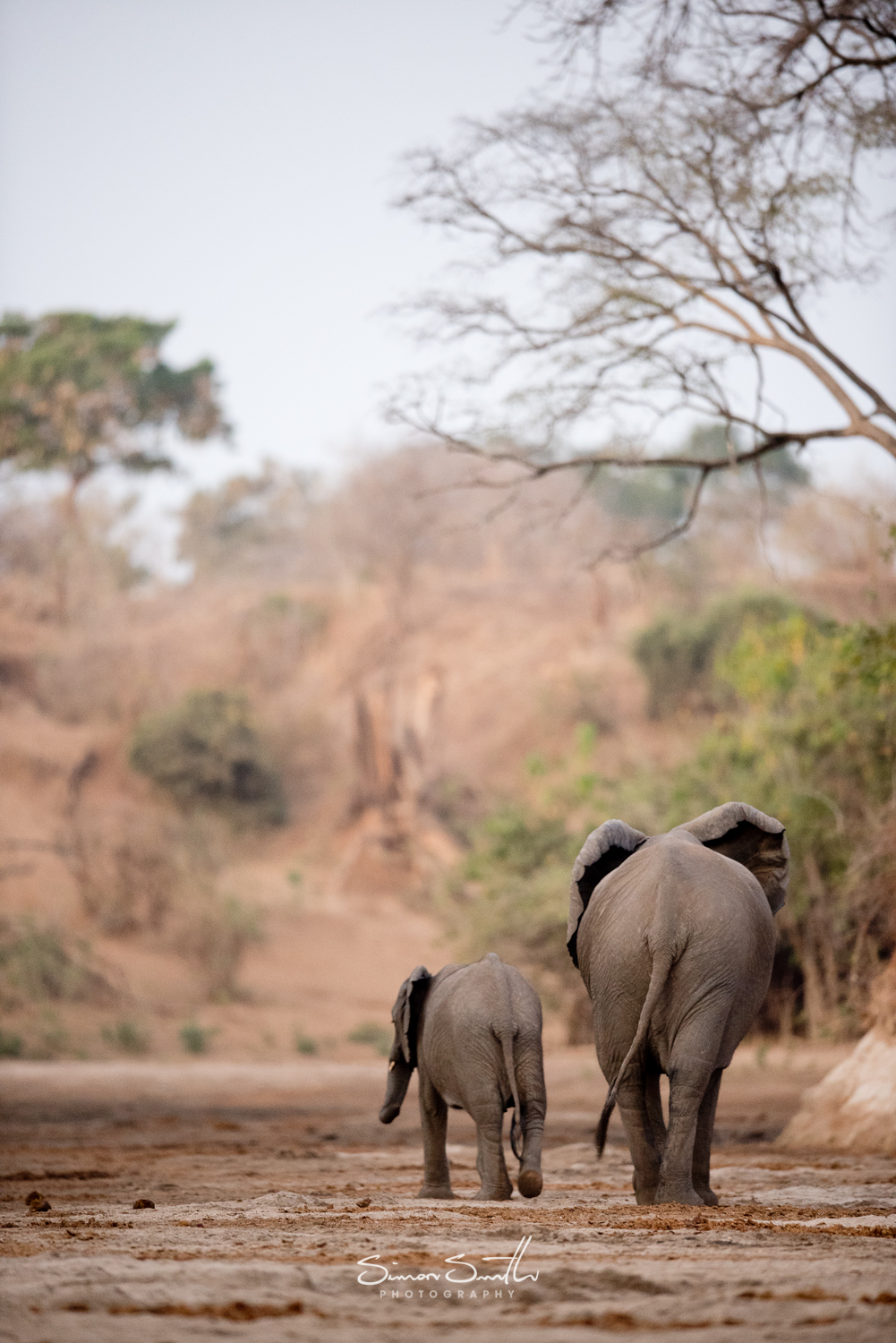
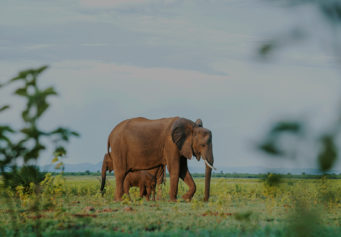
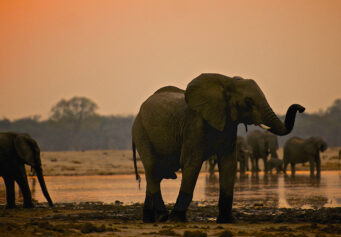
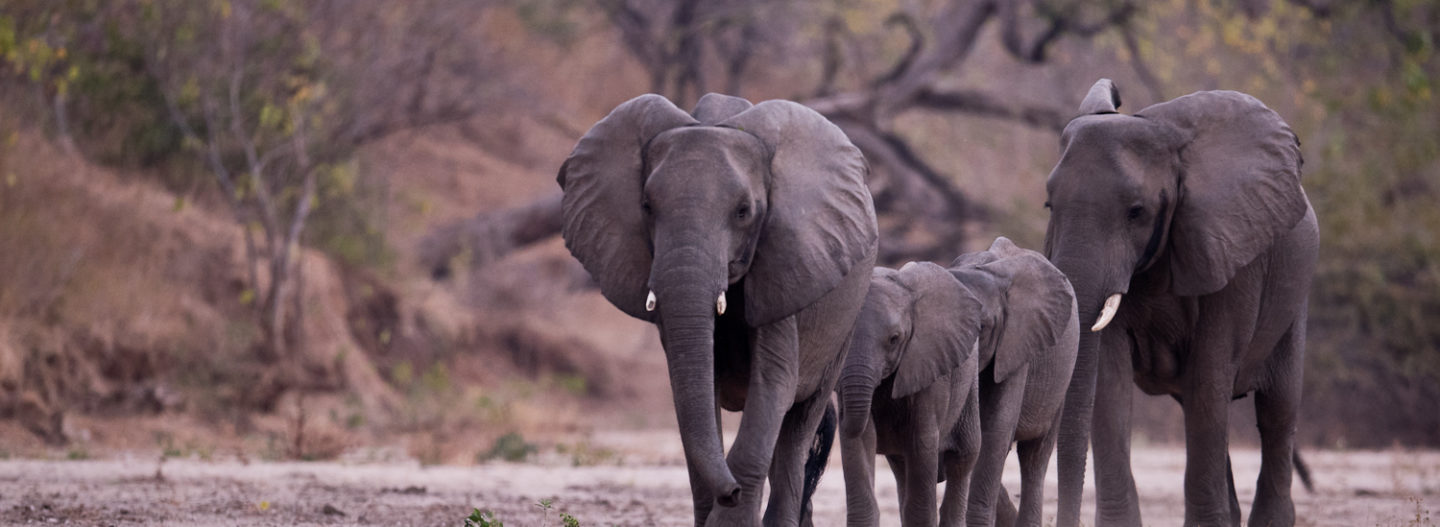
Over a thirteen-year period, poaching reduced the elephant population of the Zambezi Valley by 60 percent — one of the most severe wildlife declines in southern Africa. The crisis was driven by international demand for ivory, turning wildlife rangers into frontline combatants against well-armed poaching networks. The Bumi Hills Anti-Poaching Unit alone has removed over 20,000 wire snares and investigated more than 250 elephant carcasses.
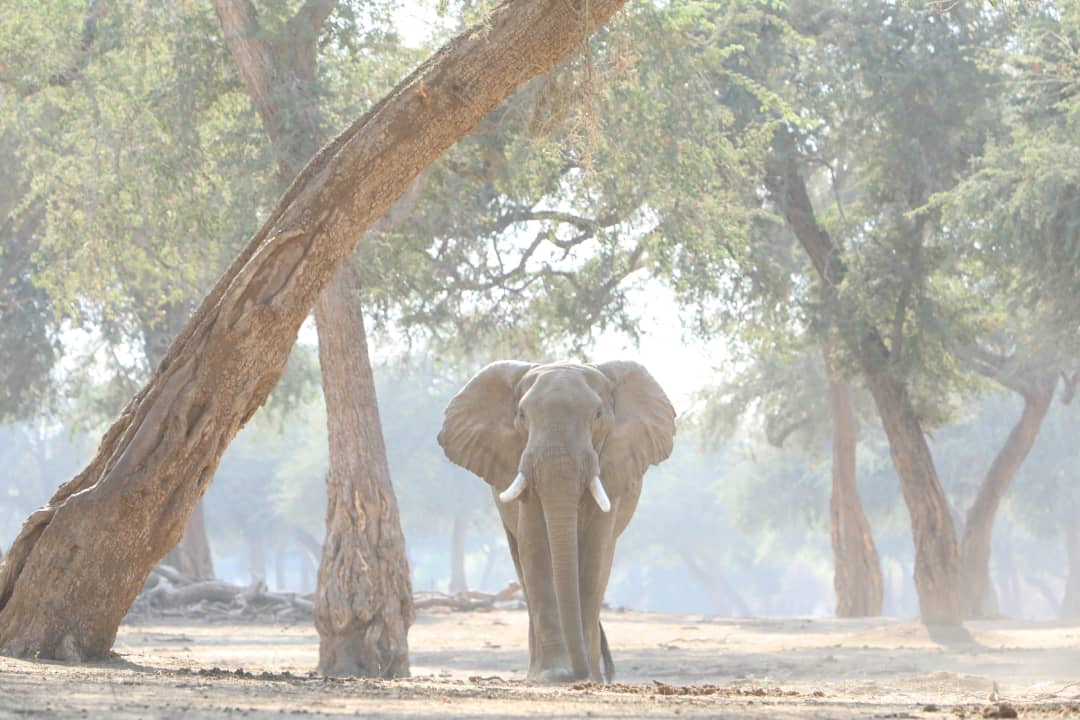
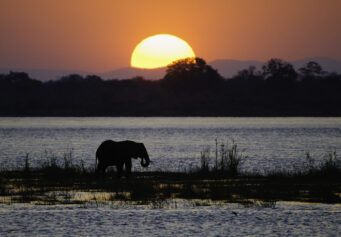
The Zambezi Valley encompasses Mana Pools National Park, a UNESCO World Heritage Site. Its remoteness makes it critical habitat — and extremely difficult to protect without aircraft surveillance.
Anti-Poaching Operations
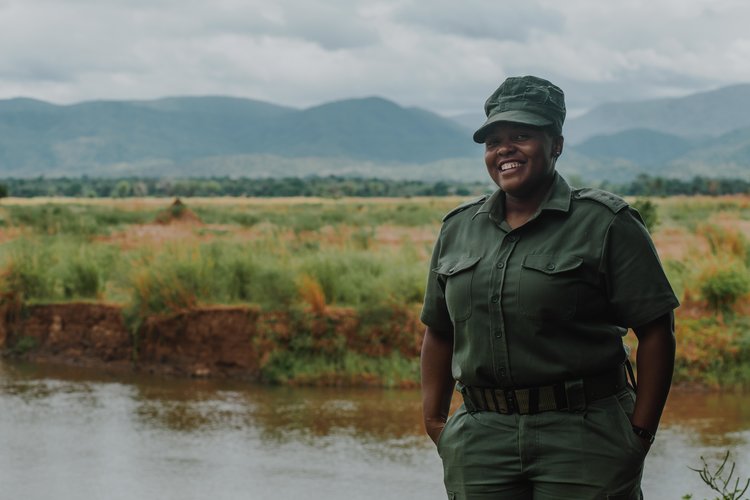
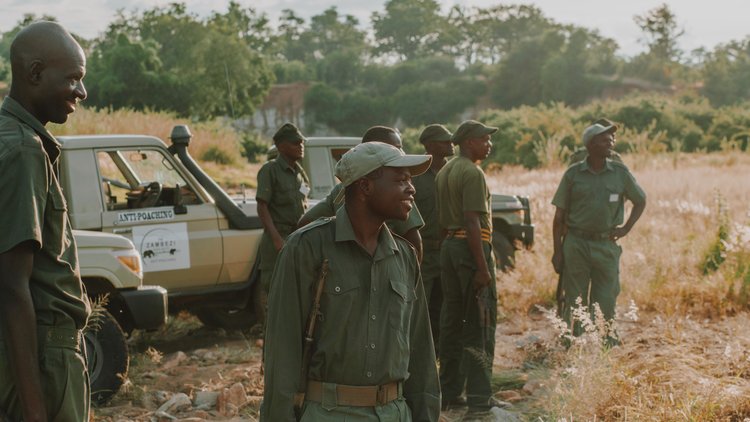
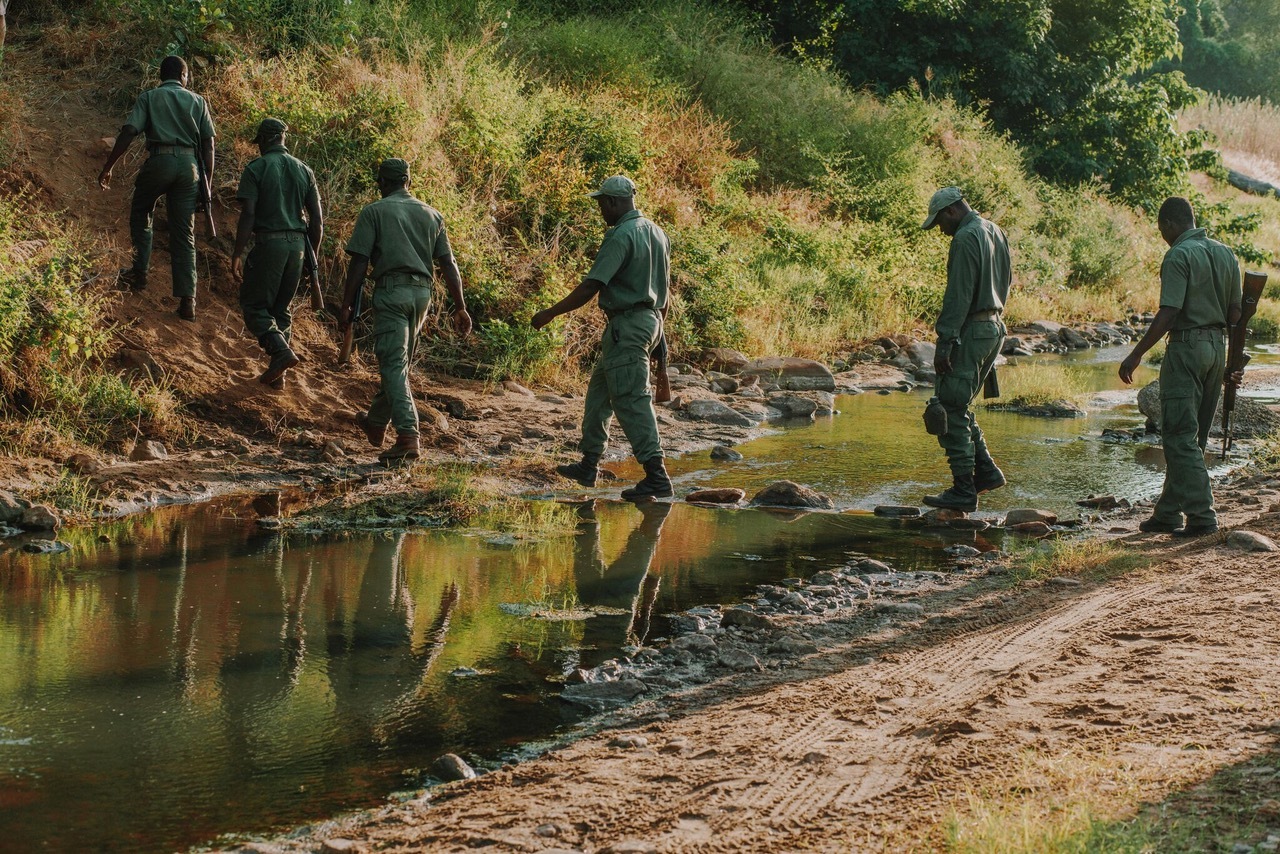
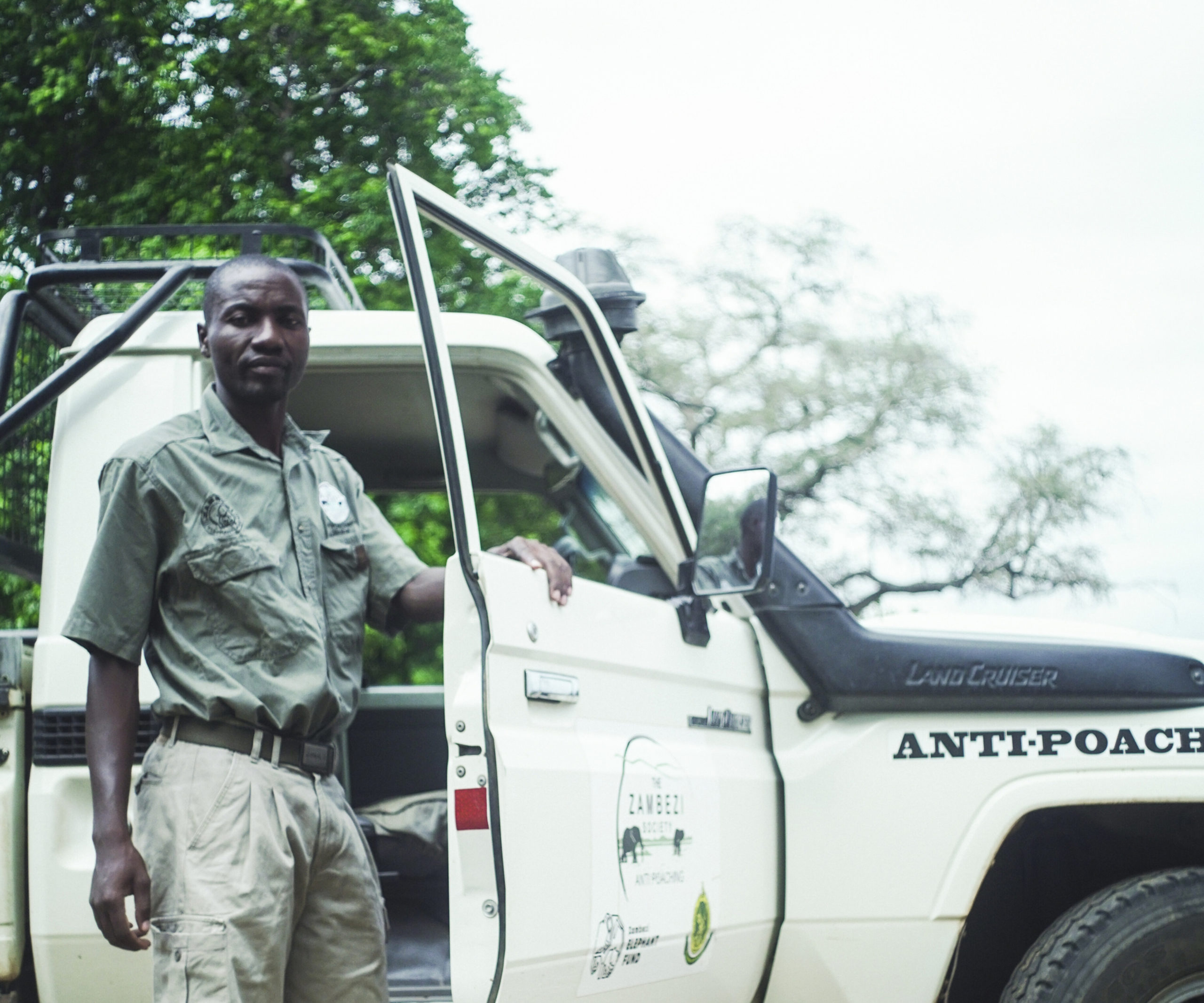
ZEF funds the people and equipment that make protection possible: ranger training programmes, a fleet of Land Cruisers for ground patrols, and aircraft surveillance covering terrain that would take days to cover on foot. Partner organisations include the Tashinga Initiative, the Zambezi Society, and the Bumi Hills Anti-Poaching Unit.
Community Coexistence Programmes
Sustainable conservation requires addressing the human dimension. Communities living adjacent to Mana Pools bear the daily costs of living alongside wildlife — crop raiding, livestock losses. ZEF funds coexistence programmes that give communities a real stake in the survival of the animals around them, turning potential adversaries into conservation allies.
How Your Deeper Africa Safari Contributes
Every Deeper Africa Zimbabwe safari contributes directly to ZEF’s anti-poaching operations. The Classic Zimbabwe safari visits Hwange National Park and Mana Pools — the heart of ZEF’s operating area. The Zimbabwe With Kids safari gives families a direct connection to conservation work that is ongoing and real. The elephants you come to see are the same ones ZEF’s rangers are protecting.